Foreclosure cleanout FAQs explain how to plan the removal of unwanted belongings and debris from a property. The amount to remove, access, and special handling needs all affect the work. In Portsmouth, clear written directions help owners, managers, and professionals protect items that should stay while getting the property ready for its next step.
A property may still hold furniture, appliances, papers, and building debris after its former residents have left. The next owner or manager may need rooms cleared, but not every item is junk. A careful plan says what stays, what goes, and what needs special care. This guide covers the main choices, timing, and questions to consider before work begins.
Table of Contents

- What Is a Foreclosure Cleanout?
- How Much Does a Foreclosure Cleanout Cost?
- How Long Does a Foreclosure Cleanout Take?
- What Should Stay in a Foreclosed Property?
- What Items Should Be Removed From a Foreclosed Property?
- How Should You Sort Items Before a Foreclosure Cleanout?
- Can a Foreclosure Cleanout Include Yard Debris and Exterior Cleanup?
- How Do You Handle Hazardous or Restricted Materials?
- How Can You Prepare a Foreclosed Property for Sale or Turnover?
- How Do You Choose a Foreclosure Cleanout Service?
- Frequently Asked Questions
- Key Takeaways
- Conclusion
What Is a Foreclosure Cleanout?
A foreclosure cleanout removes unwanted belongings, rubbish, and debris from a home or other property after foreclosure. It can help prepare the space for a sale, repairs, new tenants, or a change of owner. The work may cover one room or the full property, based on clear directions from the person in charge.
A routine junk removal visit often takes away a small group of items. A foreclosure cleanout can include many rooms, storage areas, and outdoor spaces. The crew may need to work around fixtures, personal papers, or items that cannot go with regular waste. A clear plan helps everyone know what can be removed.
How does a cleanout differ from routine junk removal?
A cleanout often takes more planning than a simple pickup. Items may be left in closets, cabinets, garages, sheds, or crawl spaces. Some may be heavy or broken, while others need review before anyone moves them. A house cleanout service may help when the work covers many parts of a home.
Routine junk removal may focus on a few pieces of furniture or one appliance. A whole-house cleanout has a larger scope and may involve choices about what to keep, donate, recycle, or haul away. The right plan depends on the home’s condition and the owner’s needs. Related house cleanout FAQs often cover many of the same sorting and access questions.
Who typically arranges a foreclosure cleanout?
A bank, lender, property owner, real estate professional, property manager, or new owner may arrange the work. An estate representative or legal professional may also help decide what can be removed. The person who books the work should have the right to give clear directions.
Portsmouth New Hampshire Junk Removal can discuss the job scope with Portsmouth property owners and managers before work starts. A local estate cleanout service may also handle inherited homes, but a foreclosure job must follow the direction of the person in charge. If no one is sure what an item is or who owns it, pause and ask before removing it.
How Much Does a Foreclosure Cleanout Cost?
The cost of a foreclosure cleanout depends on how much there is to remove, what the items are, and how easy they are to reach. A clear room with a few items usually takes less work than a packed house with stairs and outdoor debris. The final cost is confirmed on a quote after the scope is clear.
There is no single cost that fits every property. A small home cleanout may cover a few large items, while a full property cleanout can involve several rooms and types of waste. A refrigerator, concrete pieces, or large amounts of mixed debris may change the plan because each can need different handling. The provider should review the items and access before confirming the work.
What factors affect the overall cost?
The amount of material is one key factor. The size and weight of items, distance to the truck, stairs, narrow halls, parking, and sorting time can also matter. A property that is ready for loading may be simpler than one with blocked rooms or loose debris throughout.
The kind of material also matters. Some appliances may need special recycling or disposal. Unknown chemicals, sharp items, or damaged building materials can mean work must pause for a closer look. Share photos and known safety concerns before the visit, but remember that pictures do not replace a clear review of the job.
How does the scope compare with other property cleanouts?
A small pickup is usually less involved than clearing a whole house. An estate cleanout may allow more time to sort personal items, while a foreclosure job often focuses on making the home ready for sale or turnover. These jobs can overlap, so the service name alone does not tell you what work is included.
Ask the provider to review the rooms and materials in the plan. Say what must stay, what can go, and whether the garage or yard is part of the job. Portsmouth New Hampshire Junk Removal can explain how the listed work affects the job and confirm the final cost on a quote. Do not rely on a broad service label alone.
How Long Does a Foreclosure Cleanout Take?
A foreclosure cleanout may take a short visit or more than one work period. The amount to remove, the condition of the property, access, and sorting needs all affect the schedule. Special materials may also need separate handling. A clear work plan and ready access help the provider give a more useful time estimate.
A mostly empty home with a few items may take less time than a full house with blocked paths, a packed garage, and yard debris. Weather can affect outdoor work, too. If repairs or utility work are needed, those tasks can add time beyond the cleanout. The schedule should reflect the work that is actually included.
What can affect the cleanup timeline?
The number of rooms and amount of material shape the time needed for sorting and loading. Heavy furniture and appliances can take longer to move, especially on stairs or through narrow doors. A house with loose items on several floors may need more planning than a home where items are grouped and easy to reach.
Unclear ownership can also slow the work. If no one has decided whether an item should stay, removal may need to stop until the right person gives an answer. Hazardous or restricted materials may call for a separate plan. Sharing known details early can help avoid delays that could have been prevented.
How can property owners prepare for a faster turnaround?
Before the crew arrives, the person in charge can mark items that must stay and clear a safe path to items for removal. Keys, access codes, parking details, and entry directions should be ready. If the property has alarms, locked rooms, or shared spaces, settle those details ahead of time.
A short checklist can keep the plan clear:
- Confirm who can approve removal decisions.
- Mark fixtures and belongings that must remain.
- Group items for donation, recycling, or hauling when practical.
- Point out stairs, narrow paths, and known hazards.
- Confirm whether the garage, basement, and yard are included.
These steps help the crew and property contact follow the same plan. They cannot promise an exact finish time, but they can prevent confusion and repeat visits. If a decision is still open, identify it before the crew reaches that item.
What Should Stay in a Foreclosed Property?
Items that are part of the building or named in written directions should stay. These may include built-in cabinets, attached shelves, plumbing fixtures, doors, and other parts fixed in place. The right choice can depend on ownership, sale papers, and instructions from the person who has authority over the property.
A fixture is an item attached to a building in a way that makes it part of the property. A loose lamp or chair is usually a personal item, while a built-in light or cabinet may be a fixture. When there is doubt, leave the item in place until the responsible person confirms what to do.
How can you identify fixtures and items that belong with the property?
Look for items that are attached, built in, or needed for the home to work. Examples may include a furnace, water heater, installed kitchen cabinets, and fixed plumbing. Still, agreements and property records may affect ownership, so how an item looks may not settle the question.
The person leading the cleanout should check sale papers, the work order, or written directions. They can mark items with clear labels or colored tape if everyone understands the system. Photos taken before work starts can also show what was there and help prevent later disputes.
What should you do when ownership or instructions are unclear?
Pause removal and ask the property owner, manager, or authorized representative. Do not treat silence as permission to throw something away. Personal papers, keys, photos, tools, and items that may have value deserve extra care until someone gives clear directions.
A written list can track questions and decisions. Note the item, its location, and who approved the choice. If legal or sale rules apply to the property, follow the directions of the person responsible for those rules. This careful step can help avoid damage, conflict, or loss of important belongings.
What Items Should Be Removed From a Foreclosed Property?
Common items for removal include unwanted furniture, broken household goods, bagged rubbish, old mattresses, and loose debris. A cleanout may also cover appliances, garage contents, and items left in sheds or storage rooms. The removal list should follow the owner’s directions and the rules for each kind of material.
Furniture may be donated if it is clean, safe, and accepted by a local group. Broken furniture may need to be hauled away if it cannot be fixed or reused. For an old refrigerator, ask about proper handling rather than leaving it outside or putting it with regular trash.
Which belongings, debris, and discarded materials are commonly removed?
A crew may take couches, tables, dressers, boxes, rugs, and damaged household goods. If the agreed work includes them, the crew may also remove yard waste, scrap, and small amounts of leftover building material. Concrete pieces are heavy, so list them before work starts and ask how they will be handled.
Appliances may include refrigerators, washers, dryers, and stoves. To get rid of an old refrigerator, first check that food has been removed. Do not cut lines or try to remove refrigerant. Ask about appliance recycling and local rules. Use the same care when deciding how to dispose of other appliances.
How should potentially valuable or personal items be handled?
Keep personal papers, family photos, medicine, keys, cash, and small valuables out of the removal area until they have been reviewed. A property manager may set aside a safe place for items that need an owner’s decision. Do not assume something has no value just because it looks old or damaged.
If a house cleanout sale is planned, separate sale items before hauling starts. A sale may take time to arrange, so the plan should say where those items will stay and who can approve a sale. A written list and photos can help everyone understand what was found and what should happen next.
How Should You Sort Items Before a Foreclosure Cleanout?
Sort items into clear groups before removal when there is enough time and a safe place to do so. Keep, donate, recycle, and haul away are useful group names. This simple system makes decisions easier and helps prevent a useful item from being removed by mistake.
A full sort is not always needed before help arrives. If a property is packed or unsafe to enter, the responsible person can mark only the items that must stay. Then ask the provider how to handle the rest. The service provider should not make ownership choices for the owner.
Which items should be kept, donated, recycled, or hauled away?
Keep items named in the work order, personal belongings awaiting review, and anything attached to the home. Donate clean items that a local group accepts. Recycle materials when a suitable program is available. Haul away broken, unwanted items that cannot be reused or safely recycled.
A basic sorting plan may look like this:
- Keep: fixtures, records, keys, and items the owner has claimed.
- Donate: clean furniture and household goods in usable shape.
- Recycle: accepted appliances, metals, and other eligible materials.
- Haul away: broken furniture, mixed rubbish, and unwanted debris.
Rules can vary by material and location. Check with the group or disposal provider before setting items aside. If an item is not accepted, ask what should happen to it rather than placing it in the wrong group.
How can you document decisions and reduce the risk of removing something important?
Take photos before sorting and keep a written list of items that must stay. Mark those items where the crew can see them, and tell the person leading the job about any special directions. If several people are involved, choose one person to make final decisions.
For personal or valuable items, note where each was found and who took responsibility for it. A short sign-off after the walkthrough can say what was removed and what remains. These notes are not legal advice, but they can help everyone track everyday decisions.
Can a Foreclosure Cleanout Include Yard Debris and Exterior Cleanup?
A foreclosure cleanout can include outdoor items when the owner and provider agree on the work. This may cover loose branches, unwanted patio furniture, discarded tools, or debris in a yard, garage, or shed. List exterior work before the visit so the crew can plan for access and safe handling.
A cluttered yard can affect how the property looks and limit access for repairs or checks. Still, a cleanout is not the same as landscaping, tree work, or building repairs. Ask which materials can be removed and whether another specialist is needed for other tasks.
What outdoor materials may be included?
The agreed work may include bagged yard waste, loose outdoor furniture, small storage items, and some non-hazardous debris. Discuss concrete pieces or other heavy materials in advance. Their weight and size can affect how they can be moved and where they can go.
A house cleanout may also include an attached garage or shed. Before work starts, point out any items that belong to a neighbor, landlord, or utility provider. Keep clear paths to doors, meters, and service equipment unless the owner has approved work in those areas.
When might separate repair or property-maintenance work be needed?
A cleanout removes agreed items; it does not fix structural damage, plumbing leaks, electrical problems, or pest issues. It may not include mowing, tree removal, deep cleaning, or wall and floor repairs. Ask a different service provider for help with those needs.
If the crew finds exposed wires, a damaged floor, or a strong chemical smell, stop nearby work and tell the property manager. Safety matters more than a quick handoff. Once the hazard has been checked and the repair plan is clear, the cleanout can continue in safe areas.
How Do You Handle Hazardous or Restricted Materials?
Do not put unknown chemicals, fuel, paint, or similar materials in an ordinary junk pile. Hazardous or restricted materials may need special handling, and local rules can differ. If a container leaks, has no label, or gives off fumes, keep people away and contact the proper local safety or waste office.
Tell the cleanout crew about known hazards before work begins. Do not open containers, mix products, or pour liquids down a drain. A service may be able to explain what it accepts, but some materials need a licensed specialist or a local household hazardous waste program.
Which materials may need specialized handling?
Batteries, fuel, pesticides, some paints, solvents, and unknown liquids may need a separate disposal plan. Appliances that use refrigerant also need proper handling. A damaged or leaking refrigerator should not be taken apart by a homeowner or left where children can reach it.
Some older building materials may need testing before removal. If a material looks unusual or the property has a history of damage, do not disturb it to speed up the cleanout. Ask a qualified professional to review it and explain the safe next step.
What should you do if you discover unknown chemicals or unsafe conditions?
Stop work near the material, do not touch it, and keep people and pets away. Tell the property owner or manager what was found and where it is. If there is immediate danger, follow local emergency guidance instead of waiting for a routine cleanout visit.
The next step depends on the material and the risk. A local waste office or qualified hazardous-material professional can explain what to do. The cleanout can start again after the area is safe and the person in charge has updated the work plan.
How Can You Prepare a Foreclosed Property for Sale or Turnover?
Start by confirming the goal, the items that must stay, and the areas included in the work. Then arrange access, mark important belongings, and share known safety concerns. These steps help the crew remove the right items and leave the property ready for its next task.
A ready property may mean rooms are clear for repairs, staging, inspection, or a new occupant. It does not always mean the home is fully cleaned or repaired. Explain what the next person needs so the cleanout plan supports that goal without promising work outside its scope.
What should be checked before the cleanout begins?
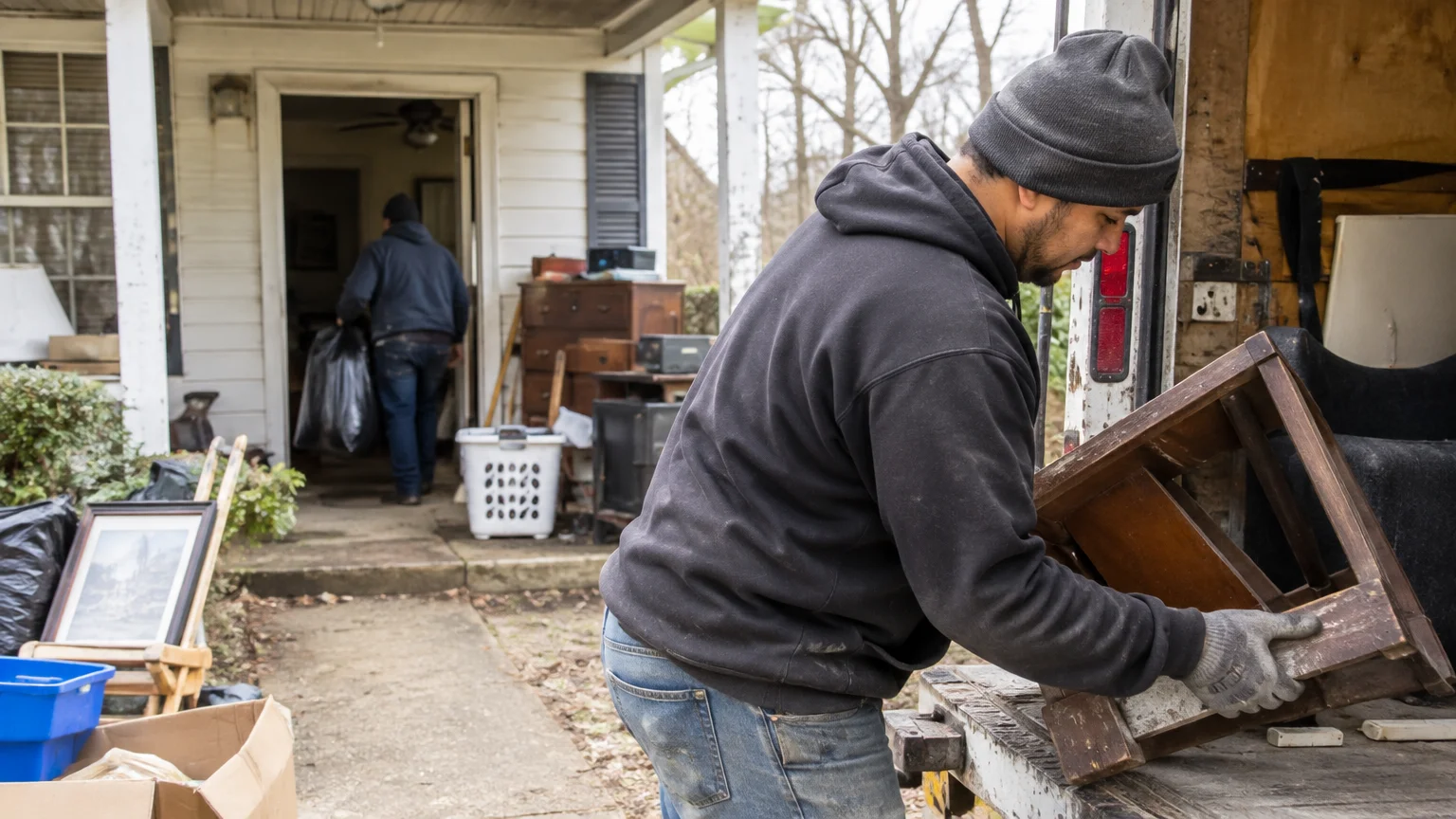
Confirm who can approve removal and make sure the written directions match the current plan. If it is safe, walk through the property and list the rooms, closets, storage areas, and outdoor spaces included. Set aside documents, keys, and items that still need an owner’s decision.
Make sure the crew can reach the work areas and point out locked rooms or shared spaces. Note broken steps, low ceilings, pets, and other access concerns. Portsmouth New Hampshire Junk Removal can review these details with the person arranging the job before work starts.
What final walkthrough helps confirm the property is ready for its next step?
After removal, walk through each included area and compare it with the original directions. Check closets, cabinets, the garage, and outdoor spaces if they were part of the work. Look for items that should have stayed and confirm that the agreed debris is gone.
The final check can also record damage, items that could not be removed, or work that needs another provider. Take updated photos and share them with the owner or manager. A clear record can make handoff easier for a buyer, repair team, or new occupant.
How Do You Choose a Foreclosure Cleanout Service?
Choose a service that explains its process, confirms what it accepts, and follows clear directions for the property. Ask about experience with large cleanouts, bulky items, appliances, and access limits. The right fit should understand the job and explain what is included before work begins.
Searches such as “house cleanout services near me” or “estate cleanout service near me” may help you find nearby options. Compare providers by asking each the same questions. Do not rely only on a service name or short listing. Check whether the provider serves the property and can work within the needed schedule.
What experience and service details should you verify?
Ask whether the provider handles whole-house cleanouts, foreclosure properties, and the types of items at the site. Confirm how it handles furniture, appliances, yard debris, and materials that may need special disposal. Ask what it does not accept, so restricted items do not create an unexpected delay.
It can also help to ask how the crew protects floors and walls, records items left behind, and handles unclear directions. A good provider should welcome clear questions and avoid promising work outside its stated service. Review the written work plan before agreeing to begin.
What information helps clarify the scope and expected completion?
Share the property size, number of rooms, access details, and a list of large items. Mention stairs, elevators, narrow paths, parking limits, and known hazards. Photos may help the provider understand the site, but confirm all important directions in writing.
Ask which areas are included, what will remain, and how donation or recycling may be handled. The finish time depends on the actual job, so ask for a schedule based on the stated work. A clear quote should confirm the final cost and the work it covers.
Frequently Asked Questions
How do you get rid of an old refrigerator?
First, remove food and keep children away from the appliance. Do not cut lines or try to remove refrigerant yourself. Ask an appliance recycler, local waste program, or junk removal provider about pickup options. If the refrigerator is damaged, describe its condition before arranging removal, since it may need special handling.
How do you get rid of broken furniture?
Check whether the item can be fixed, donated, or reused for parts. If it is unsafe or cannot be used, arrange removal with a provider that accepts large furniture. Keep sharp pieces away from walkways, and mention heavy or broken parts when you describe the job.
Can a cleanout include concrete chunks?
It may, if the provider accepts concrete and the amount is part of the agreed work. Concrete is heavy and hard to move, so do not assume it can go with ordinary household debris. Share its location and condition before the cleanout so the provider can confirm a safe handling plan.
Is a house cleanout service the same as estate cleanout service?
The work can overlap, but the needs may differ. A house cleanout often focuses on removing unwanted items from a home. Estate cleanout services may allow more time to sort personal belongings and follow family directions. As with office cleanout FAQs or retail removal FAQs, the exact tasks should be listed before work starts.
What happens to items that may have value?
Set them aside until the owner or authorized representative decides what to do. Do not put personal papers, family photos, keys, or possible sale items in the removal pile. A written list and clear labels can help protect these belongings during a busy cleanout.
Key Takeaways
- A foreclosure cleanout clears agreed items before a sale, repair, or turnover.
- Written directions help separate fixtures from belongings that can be removed.
- The amount of material, access, and special handling affect timing and cost.
- Unknown chemicals and unsafe materials need care, not guesswork.
- A final walkthrough helps confirm the property is ready for its next step.
Conclusion
A well-planned foreclosure cleanout starts with clear authority, a list of items that must stay, and a defined work area. Sorting, access details, and early notice about appliances or hazards can help avoid delays. Choose a service that confirms what it can handle and explains the work before it begins.
For help planning a property cleanout, Contact us to discuss the items, access, and next steps with Portsmouth New Hampshire Junk Removal.
If you are not sure what you are dealing with, it is worth having someone look at it before it turns into a bigger job. Get in touch with Portsmouth New Hampshire Junk Removal today and we will tell you where you stand.