Retail removal FAQs help store owners plan a cleanout with fewer surprises. Retail removal may cover fixtures, displays, shelving, backroom clutter, damaged goods, and old furniture. The final cost depends on load size, labor, access, sorting, and disposal needs. These details are reviewed before the final cost is confirmed on a quote.
Table of Contents
- What does retail removal include?
- How much does retail removal cost?
- How should a retail removal project be scheduled?
- Can retail removal companies take out fixtures and displays?
- What happens to unsold inventory during a retail cleanout?
- How can businesses prepare a backroom or retail space for removal?
- How do you choose the right retail removal service?
- Key takeaways
- Frequently Asked Questions
- Conclusion
What does retail removal include?
Retail removal means taking unwanted items from stores, shopping spaces, and backrooms. It may include furniture, shelving, displays, cardboard, broken equipment, and general business junk. The work plan depends on what the business wants removed and what must stay.
Common items removed from shops and retail spaces
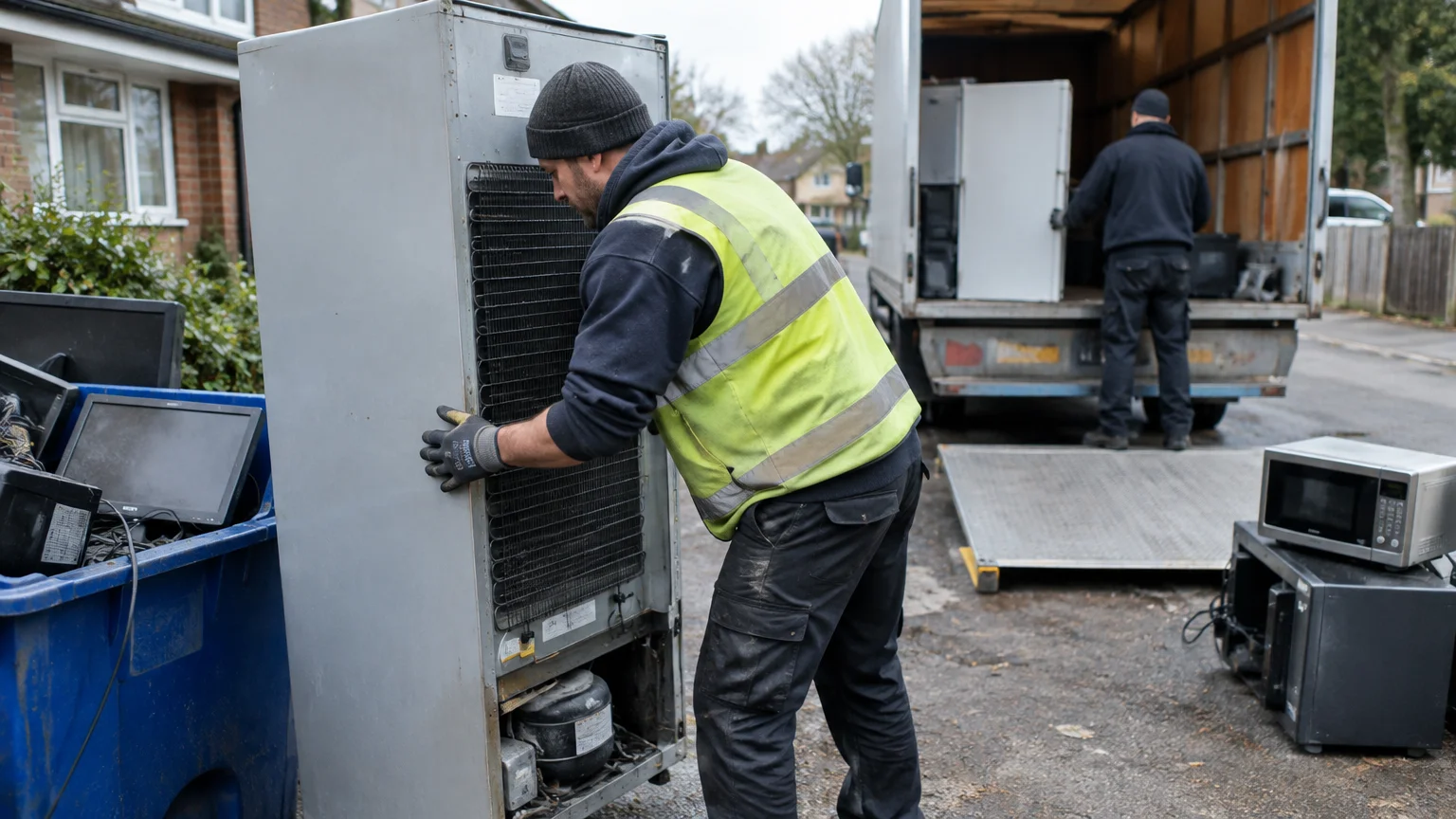
A retail cleanout may include racks, mannequins, counters, signs, tables, chairs, desks, and storage bins. Crews may also take old carpet, packing waste, broken shelving, and unused office items. Appliance disposal may include refrigerators, freezers, and other equipment. The business should point out these items before work begins.
Old furniture needs care because it may be large, heavy, or fixed in place. A removal team may also help with garage, attic, basement, or stockroom removal when those areas are part of one project. A clear list helps the crew know what belongs in the removal area.
How retail removal differs from standard junk hauling
Retail removal often needs more planning than a small home pickup. Store fixtures may need to come apart first. Crews may work around customers, staff, loading docks, elevators, and building rules. A commercial cleanout may also need sorting, floor protection, and separate piles for useful items.
Portsmouth New Hampshire Junk Removal can help Portsmouth businesses review these details before work starts. This early talk can help store owners, managers, and property owners plan the job. It also lowers the chance of removing something by mistake.
How much does retail removal cost?
Retail removal has no single cost for every business. The final cost depends on the load size, item weight, labor, access, sorting, disassembly, and disposal needs. Stairs, long walks, tight doors, and special items can make the work more involved than a small pickup. The final cost is confirmed on a quote after the project details are reviewed.
What factors affect the overall cost
A small load of loose boxes is often simpler than a full store cleanout with heavy fixtures. Stairs, long paths, narrow doors, elevators, and limited parking can add work. Large appliances, concrete pieces, metal fixtures, and dense materials may also need added care.
The timing can affect the work plan as well. Removal during a quiet store period may be easier than work during busy customer hours. Urgent work, after-hours access, and strict building schedules may change the plan. Businesses should share these needs before accepting a quote.
Sorting can add labor too. Separate piles for recycling, donation, resale, disposal, and business records take more time than one mixed load. The final cost is confirmed on a quote once the full service details are known.
How retail removal compares with related cleanout services
A basic office cleanout may focus on desks, chairs, files, and small electronics. Retail removal may include more fixtures, signs, stockroom items, displays, and customer-area equipment. A warehouse cleanout may involve larger loads and heavier materials.
These jobs are not always the same because the work differs. A business should compare the full job scope, not only the truck size. Portsmouth New Hampshire Junk Removal can explain which parts of a Portsmouth retail cleanout may need extra planning without promising a final charge before the work is reviewed.
How should a retail removal project be scheduled?
A retail removal project should be scheduled when store operations and crew access are protected. Many businesses choose early morning, after closing, a delivery gap, or a planned renovation window. The best time depends on customer traffic, staff levels, building rules, and the cleanout size.
Choosing a removal window around store operations
A manager should check the store calendar first. Renovations, lease turnover, inventory changes, sales events, and delivery dates may affect the best removal window. The manager should also ask the property owner about loading areas, elevators, parking, noise, and access times.
For an active store, a phased cleanout may work better than one large removal. One section can be cleared while another remains open. This plan can reduce disruption and help staff keep customer paths clear.
The business should share details about doors, stairs, loading docks, and building access. Clear details help the team plan labor and equipment. They also lower the chance of delays on the scheduled day.
What to prepare before the crew arrives
Before the crew arrives, the store manager should mark every item that is leaving. Items that must stay should move away from the work area. Inventory records, keys, alarm details, and building instructions should be ready for the project manager.
A simple preparation list can include:
- Mark removal items with signs or tape.
- Keep customer paths and emergency exits clear.
- Separate business records and personal items.
- Confirm loading access with the property manager.
- Tell staff which items must not be moved.
Good preparation helps the crew work faster and keeps the store safer. It also gives Portsmouth New Hampshire Junk Removal a clearer view of the work needed in the main Portsmouth area. This includes Downtown Portsmouth, Atlantic Heights, Rye, Newington, Greenland, Kittery, and nearby communities.
Can retail removal companies take out fixtures and displays?
Many retail removal companies can take out common fixtures and displays when the job includes that work. Shelving, counters, racks, signs, tables, and display walls may be removed by hand or taken apart first. The business should confirm the work details before scheduling the job.
Removing shelving, counters, signage, and display units
Fixtures may attach to walls, floors, ceilings, or electrical systems. The crew needs to know how each item is secured. Wall signs may have wires. Counters may connect to plumbing or built-in power. The proper trade should handle these connections when needed.
A removal team may take loose fixtures and items that are safe to remove. It may not disconnect electrical, gas, water, or security systems unless the business has arranged for a qualified worker. Store staff should not cut wires or remove unsafe equipment.
Businesses should also think about walls and floors. Removing a fixture may leave holes, marks, or damaged flooring. Retail removal takes away unwanted items, but repairs may need a separate contractor.
When disassembly or extra handling may be needed
Large displays may need to come apart before they fit through a door. Heavy counters may need more than one worker. Glass, sharp edges, concrete pieces, and unstable structures need extra care.
A business should share pictures or clear details when asking about a complex removal. This information can help the crew decide if special tools, more workers, or extra time may be needed. It also helps protect the store from avoidable damage.
What happens to unsold inventory during a retail cleanout?
Unsold inventory should be sorted before removal. Reusable goods may be returned, donated, moved, or sold through an approved channel. Damaged, outdated, recalled, or restricted products need separate handling based on the item and local rules.
Separating reusable, recyclable, and unwanted items
A store manager should create clear groups for items that will stay, move to another location, be donated, recycled, or discarded. This can include clothing, packaging, shelves, office items, appliances, and seasonal displays. Labels and marked zones help prevent mix-ups.
Cardboard and clean metal may fit a local recycling program. Electronics may need a special recycling route. Refrigerators and other cooling appliances may need proper handling because they can contain regulated materials. A removal company can explain what it accepts, but the business must identify its inventory.
Handling damaged, outdated, or restricted merchandise
Some products should not go into regular trash. Chemicals, pressurized containers, batteries, medical items, wet materials, and certain electronics may need special disposal. A business should identify these items before the crew arrives.
Restricted merchandise may include products with customer data, private records, or legal disposal rules. Staff should remove sensitive data from devices and follow company rules for records. When unsure, the manager should contact the proper agency or a licensed specialty provider instead of placing the item in a general removal pile.
How can businesses prepare a backroom or retail space for removal?
Businesses can prepare a backroom by sorting items, clearing safe paths, and marking anything that must remain. Staff should remove personal property and protect records before the crew arrives. A clear plan makes the work safer for employees, customers, property managers, and removal workers.
Sorting items and identifying anything that must stay
The manager should walk through the full space before removal day. This includes sales floors, stockrooms, offices, break rooms, storage cages, and receiving areas. Each item should have a clear choice: keep, move, donate, recycle, or remove.
A short written list can help track fixtures, appliances, furniture, and inventory. Photos may help show the crew what the business expects. Items that must stay should move to a protected area and be marked clearly.
Businesses should not hide dangerous or restricted items in boxes. The crew needs honest details to plan safe handling. This matters for liquids, batteries, sharp objects, damaged appliances, and heavy building materials.
Safety considerations for staff, customers, and removal crews
Staff should keep people away from active removal areas. Floors should stay clear of loose cords, broken glass, nails, and scattered packaging. Emergency exits, fire equipment, and walkways must remain open.
Employees can handle simple sorting and labeling when items are light and stable. They should not lift heavy fixtures, disconnect electrical equipment, climb shelving, or handle unknown substances. Those tasks may need trained workers or a qualified trade professional.
For an active store, the manager should use signs, barriers, and staff guidance to keep customers away from the work zone. Portsmouth New Hampshire Junk Removal can help plan a safer removal process for businesses and nearby communities.
How do you choose the right retail removal service?
The right retail removal service has commercial experience, clear communication, safe work habits, and a responsible disposal plan. A business should choose a provider that understands fixtures, inventory, access limits, and active store operations. The lowest-sounding promise is not always the best fit.
Questions to ask about commercial cleanout experience
A business owner or property manager should ask if the provider handles retail fixtures, office items, appliances, backrooms, and larger commercial loads. It also helps to ask about disassembly, elevators, loading docks, tight spaces, and items that cannot enter regular disposal streams.
Other useful questions include:
- What items does the service accept?
- Can the crew remove fixtures and displays?
- How should restricted items be identified?
- How will the team protect floors and walls?
- What access details should the business provide?
- When is the final cost confirmed on a quote?
Clear answers show if the provider understands the project. A full-service junk removal company should explain what it can do and what needs another professional.
What reliable service and responsible disposal should include
Reliable service starts with a clear scope. The provider should confirm the removal area, item types, access plan, timing, and limits before work begins. The crew should also explain if the actual conditions differ from the first description.
Responsible disposal means keeping suitable items out of the waste stream when reuse or recycling is possible. It also means identifying materials that need special handling. Businesses should avoid providers that make broad disposal claims without explaining the process.
For local retail removal, Portsmouth New Hampshire Junk Removal offers a practical starting point for discussing the project. The business can review the store layout, removal list, and timing before work is planned.
Key takeaways
- Retail removal may include fixtures, displays, furniture, appliances, packaging, and backroom clutter.
- The final cost depends on volume, weight, access, labor, sorting, and disposal needs.
- Businesses should schedule removal around store traffic, deliveries, and building rules.
- Staff can sort and label items but should avoid heavy, electrical, or hazardous work.
- A reliable provider explains accepted items, project limits, safety steps, and disposal plans.
Frequently Asked Questions
How do businesses get rid of an old refrigerator?
Businesses should identify the refrigerator and tell the removal provider about it. Refrigerators may need special handling because of their cooling system and materials. The store should empty and clean the unit when safe, then confirm whether the provider accepts it. A specialty appliance recycler may be needed in some cases.
Can one company remove garage, attic, and basement items in one trip?
Often, a commercial removal provider can handle items from several areas during one planned project. The business should list each space, item type, access point, and stair or elevator detail. A larger or mixed cleanout may need more planning. The final scope should be confirmed before the crew arrives.
How should a business dispose of concrete chunks?
Concrete chunks should stay separate from light retail junk. They are heavy and may need special loading and disposal plans. The business should tell the provider about the material, amount, and access conditions. Small pieces may be accepted by some services, while larger loads may need a concrete recycling provider.
Can retail removal include old furniture and office items?
Yes, many retail cleanouts include desks, chairs, tables, cabinets, and other office furniture. The business should separate items that will move to another site or be donated. Heavy or built-in furniture may need disassembly. The provider should review access points before confirming the removal plan.
Is retail removal different from trash removal?
Retail removal is broader than routine trash pickup. It may include bulky fixtures, displays, appliances, furniture, packaging, and unwanted inventory. It may also need sorting, disassembly, loading, and special handling. A business should choose a service that can manage commercial cleanout work instead of only bagged trash.
Conclusion
Retail removal is easier when the business plans the item list, access route, schedule, and disposal needs early. Store owners and property managers should protect staff and customers, separate restricted items, and mark everything that must stay. With a clear scope, the right commercial junk removal service can help prepare a shop, backroom, or retail property for its next use.
Contact us to discuss a retail removal plan with Portsmouth New Hampshire Junk Removal.